When you do an online consultation, you won’t waste time chasing pain and muscle tightness.
What My Online Consultation Clients Are Saying
I’m happy to report my shoulders are pain-free! My range of motion has been restored, and I am definitely sleeping better.After our first online consultation, I did the exercises you recommended several times per week, and gradually reduced them to once per month. Pain has not returned, and I can work out and do everything the pain was preventing me from doing before we met online. — Layne
To my surprise, he did more to improve my range of motion in the first thirty minutes of our online session than two sessions of physiotherapy did in Frankfurt. — JaneMy Promise to You
When you do an online consult, I won’t recommend one-size-fits-all, common-knowledge exercises or run-of-the-mill stretches.
If you have piriformis syndrome, for instance, you won’t be stretching any longer. You won’t be releasing a piriformis muscle that’s rarely tight, and you’ve done your last clamshell.Online consults are designed to address pain, improve performance, and prevent injuries.
Online Consultation In Two Steps
Step 1: I’ll watch your range of motion to determine which muscles are underperforming.Step 2: Once I’ve determined which muscles are underperforming, I’ll walk you through isometric exercises designed to strengthen positions where there’s instability at your joints.
For example, if you have plantar fasciitis, every expert and their uncle has recommended calf stretches for your tight calves.
Here’s what they haven’t told you: To have tight calf muscles, you also have lower leg muscles that are underperforming.
The tight muscles compensate for the underperforming muscles.
As counterintuitive as this may be, to have plantar fasciitis for as long as you have, you’ve had muscles that aren’t capable of playing their role to the best of their ability, and the muscles that feel tight are making up for what the underperforming muscles are incapable of providing.
To no longer feel plantar fasciitis, piriformis syndrome, or neck and shoulder tightness, you want to know whether muscles are tight or underperforming.
Until you address the muscles that are underperforming, you’ll have muscle tightness. That’s why stretching and releasing muscles only allows for short-term results.
When we address the positions of instability, we also get to the root cause.
If you have hypermobile joints (EDS), and your immediate reaction to the previous sentence was something to the effect of, I have plenty of range of motion. Therefore, tight muscles don’t apply to my situation.
Although you have more range of motion than most people, your brain senses the threat of instability in certain positions, and no one has thought to look at the positions where you have deficits.
For instance, your shoulder and hip joints can achieve thousands of positions, and most practitioners don’t look at more than ten positions at each joint.
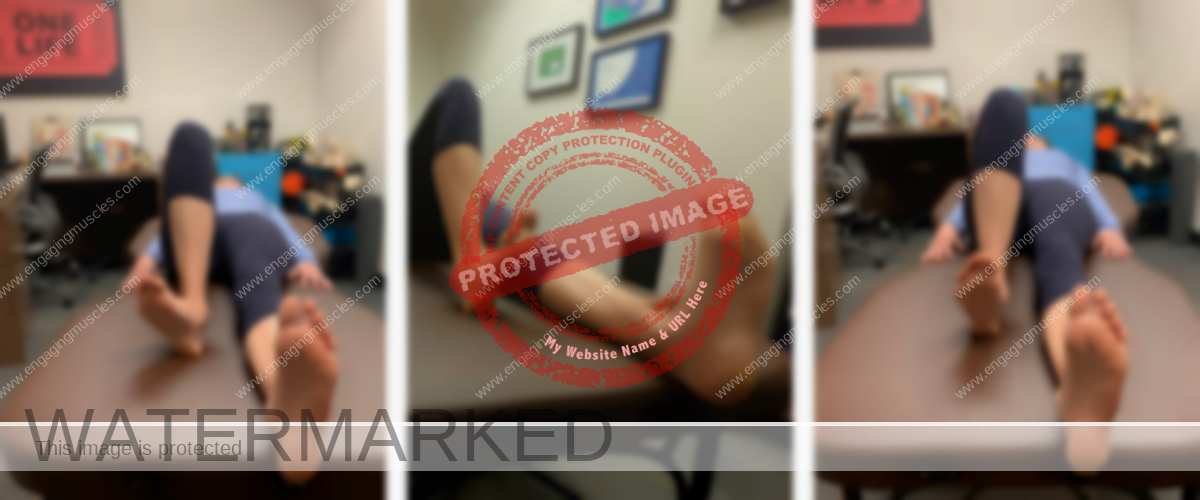
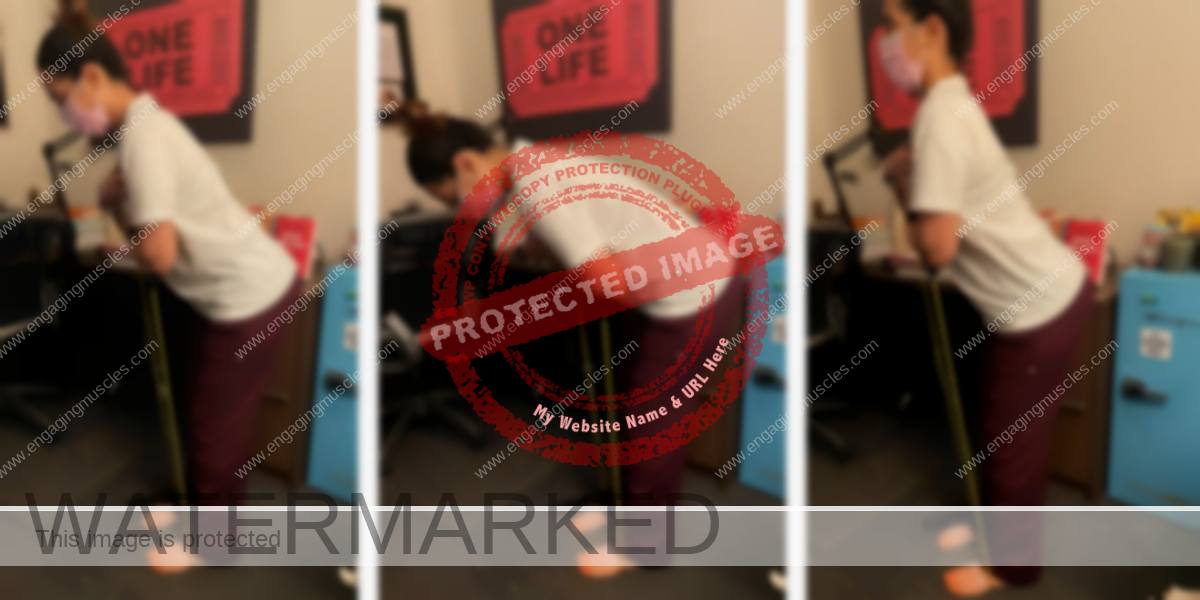
All the exercises we go over in a consultation online are performed in positions where your muscles cannot provide stability to the best of their ability.
Investment
*90-minute consultation via an online meeting ~ 212
** Two consultations ~ 400 (most popular)
***Three consultations ~ 560

Online Consultation